教学过程英语怎么说?当我们关注学习过程时,我们可以把学习过程划分为 Pre-learning, While-learning, Post-learning 三个阶段,这就是 PWP 教学过程。Pre-learning (学习前)阶段是教师进行教学准备、学生自我准备、教师激活学生学习新的语言知识、形成新的语言运用能力所需的知识、能力的阶段,那么,教学过程英语怎么说?一起来了解一下吧。
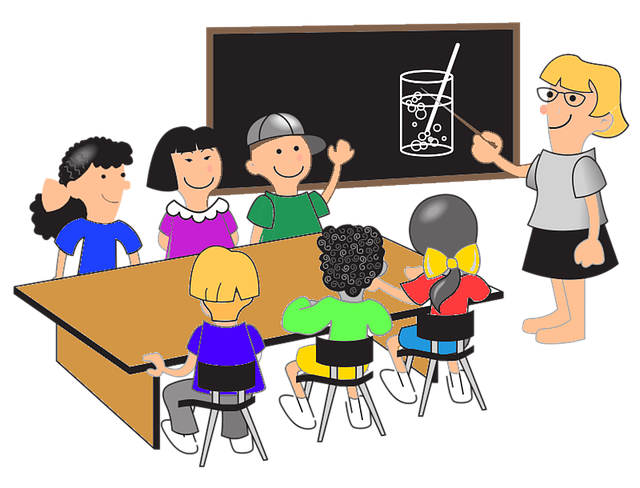
英语课堂教学根据其特点和学生的认知习惯,被细分为六个关键环节,每个环节都扮演着不同的角色,共同促进学生的语言能力发展。这些环节分别是热身(Warmup)、复习(Revision)、呈现(Presentation)、操练(Drills)、巩固(Consolidation)以及家庭作业(Homework)。
热身环节(Warmup)的主要目标是让学生快速进入学习状态,激发他们的学习兴趣。教师可以通过歌曲、小游戏、讨论或者简单的对话等方式进行热身,为接下来的课堂教学做好准备。
复习环节(Revision)旨在帮助学生回顾和巩固已经学过的知识,为新知识的学习奠定基础。教师可以设计一些与旧知识相关的练习题或者互动活动,确保学生能够熟练掌握之前所学的内容。
呈现环节(Presentation)是新知识引入的关键阶段。教师需要清晰地解释新词汇、语法结构或句型,并通过实例进行演示,帮助学生理解新知识的应用场景。
操练环节(Drills)侧重于学生的实际操作,通过重复练习来加深对新知识的理解和记忆。教师可以设计多样化的练习形式,如口头问答、角色扮演或写作练习,以提高学生的参与度和学习效果。
巩固环节(Consolidation)目的在于进一步加深学生对新知识的理解和记忆。
英语课堂教学用语
1.上课 (Beginning a class)
(1)Let';s start now� / Let';s begin our class / lesson�
(2)Stand up, please�
(3)Sit down, please�
2.问候 (Greeting)
(4)Hello, boys and girls / children�
(5)Good morning, class / everyone / everybody / children / boys and girls �
(6)Good afternoon, class / everyone / everybody / children / boys and girl s
(7)How are you today?3.考勤 (Checking attendance)
(8)Who';s on duty today? / Who�s helping this morning / today ?
(9)Is everyone / everybody here / present?(10)Is anyone away? / Is anybody away?
(11)Is anyone absent? / Is anybody absent?(12)Who�s absent? / Who�s away?
(13)Where is he / she?
(14)Try to be on time� / Don�t be late next time�
(15)Go back to your seat, please�
(16)What day is it today?
(17)What';s the date today?
(18)What';s the weather like today?
(19)What';s it like outside?
4.宣布 (Announcing)
(20)Let';s start working� / Let';s begin / start a n ew lesson� / Let';s begin / start our lesson�(21) First, let';s review / do some review�(22) What did we learn in the last lesson?
(23) Who can tell / remember what we did in the last lesson / yesterday?
(24) Now we';re going to do something new / different� / Now let';s learn something new�(25) We have some new words / sentences�5.提起注意 (Directing attention)
(26) Ready? / Are you ready?
(27) Did you get there? / Do you understand?
(28) Is that clear?
(29) Any volunteers?
(30) Do you know what to do?
(31) Be quiet, please� / Quiet, please�
(32) Listen, please�
(33) Listen carefully, please�
(34) Listen to the tape recorder / the recording�(35) Look carefully, please�
(36) Look over here�
(37) Watch carefully�
(38) Are your watching?
(39) Please look at the blackboard / picture / map���
(40) Pay attention to your spelling / pronunciation�
6.课堂活动 (Classroom activities)
(41) Start! / Start now�
(42) Everybody together� / All together�
(43) Practise in a group� / Practise in groups� / In groups, please�
(44) Get into groups of three / four ���
(45) Everybody find a partner / friend�
(46) In pairs, please�
(47) One at a time� / Let�s do it one by one�(48) Now you, please� / Your turn (�Student�s name).�
(49) Next, please� Now you do the same, please�(50) Let';s act� / Let�s act out / do the dialogue�
(51) Who wants to be A?
(52) Practise the dialogue, please�
(53) Now �Tom� will be A, and the other half will be B�
(54) Please take (play) the part of ���
(55) Whose turn is it?
(56) It';s your turn�
(57) Wait your turn, please�
(58) Stand in line� / Line up�
(59) One by one� / One at a time, please�
(60) In twos� / In pairs�
(61) Don';t speak out
(62) Turn around
�7.请求 (Request)
(63) Could you please try it again?
(64) Could you please try the next one?
(65) Will you please help me?
8.鼓励 (Encouraging)
(66) Can you try?
(67) Try, please�
(68) Try your best� / Do your best�
(69) Think it over and try again�
(70) Don';t be afraid / shy
[color=#00FF00]9.指令 (Issuing a command)
(71) Say / Read after me, please�
(72) Follow me, please�
(73) Do what I do�
(74) Repeat, please� / Repeat after me�
(75) Once more, please� / One more time, please(76) Come here, please�
(77) Please come to the front� / Come up and write on the blackboard / chalkboard
(78) Come and write it on the blackboard�
(79) Please go back to your seat�
(80) In English, please�
(81) Put your hand up, please� Raise your hand, please�
(82) Put your hands down, please� / Hands down, please�
(83) Say it / Write it in Chinese / English�(84) Please take out your books�
(85) Please open your books at page ~/ Find page ~ / Turn to pag e �
(86) Please answer the question / questions� / Please answer my question(s ).
(87) Please read this letter / word / sentence out loud� / Please read out this letter / word / sentence�
(88) Please stop now� / Stop now, please� / Stop here, please�
(89) Clean up your desk / the classroom, please�(90) It';s clean�up time� / Tidy up your desk / the classroom�
(91) Put your things away� / Clean off your desk� / Pick up thes craps�
(92) Clean the blackboard�
(93) Plug in the tape�recorder, please�
(94) Put the tape�recorder away�
(95) Put the tape in its box / cassette�
(96) Listen and repeat�
(97) Look and listen�
(98) Repeat after me�
(99) Follow the words�
(100) Fast� / Quickly! / Be quick, please�(101) Hurry! / Hurry up, please�
(102) Slow down, please�
(103) Slowly�
(104) Bring me some chalk, please�
10.禁止和警告 (Prohibition and warning)
(105) Stop talking� / Stop talking now, please�(106) Don';t talk� / Everybody quiet, please�(107) Don';t be silly�
(108) Settle down�
11.评价(109) Good, thank you�
(110) Good! / Very good� / Good job� / Good work� / Good example�
(111) A good answer� / Nice work�
(112) Excellent� / Great! / Well done� / Very good� / I like the way you �
(113) That';s interesting!
(114) Don';t worry about it� / No problem�
(115) OK! / That�s OK�
(116) I don';t think so�
(117) That';s not quite right, any other answers? / That';s close / That'; s almost right�(118) Not quite, can anyone help him / her? / Try again�
(119) A good try�12.布置作业 (Setting homework)(120) For today�s homework ���
(121) Practise after class� / Practise at home�(122) Say it out loud, before you write it down�(123) Copy / Print / Write each word twice�(124) Remember (Memorize) these words / sentences(125) Learn these words / these sentences / this text by heart�
(126) Do your homework� / Do the next lesson� / Do the new work�
13.下课 (Dismissing the class)
(127) Hand in your workbooks, please�
(128) Time is up�
(129) The bell is ringing�
(130) There�s the bell�
(131) There goes the bell�
(132) Let';s stop here�
(133) That';s all for today�
(134) Class is over�
(135) Goodbye� / Bye� / See you next time

英语阅读的教学过程通常分为以下几个步骤,以“大阅读”教学理念为指导,注重学生思维发展和人文素养的培养:
Step I Warming-up导入设计:教师通过日常问候后提出贴近学生生活的问题,如“What do you do in your daily life?”,引导学生生成多样化答案。随后抓住“study”一词追问升学目的、大学年龄等,并抛出反常识问题“Can you imagine someone around 90 taking class in a college?”,制造认知冲突,激发探究欲望。
主题引出:借助学生困惑,自然过渡到本课主题,如分享一位80多岁女性上大学的故事。此环节利用学生已有经验,快速建立课堂参与感,为后续阅读感知铺垫。
图:教师通过提问引导学生思考,激活背景知识Step II Reading for the general idea (Individual Work)任务设计:学生根据时间线梳理故事脉络,完成信息链构建。例如,将零散事件按时间顺序排列,重组文本信息库。
1、热身 Warming- up。2、导入 Leading-in。3、展示 Presentation。4、预习 Preview。5、复习Review。6、操练 Practice。7、练习 Exercises。8、巩固 Consolidation。9、小结 Summary。10、检测 Test。
扩展资料:
1.warming-up英['wɔ:mɪŋ'ʌp]美['wɔ:mɪŋ'ʌp]n.准备运动,准备活动;
2.leading-in英['ledɪŋ'ɪn]美['ledɪŋ'ɪn][词典]导入,引入;
3.presentation英[ˌpreznˈteɪʃn]美[ˌpri:zenˈteɪʃn]n.提交; 演出; 陈述,报告; 颁奖仪式;
4.preview英[ˈpri:vju:]美[ˈpriˌvju]n.试映,预演; 预告片; 象征,预示;vt.预映; 预先观看; 概述; 扼要介绍;
5.review英[rɪˈvju:]美[rɪˈvju]n.回顾; 复习; (报刊的) 评论; [法] 复审;vt.评论; 复习; 复查; 检验;vi.复习功课; 写评论;
6.practice英[ˈpræktɪs]美[ˈpræktɪs]n.实践; 练习; 惯例; (医生或律师的) 业务;vi.练习; 实习; 实行; 惯常地进行;vt.练习; 执业; 实行,实践; 惯常地进行;
7.exercises英['eksəsaɪzɪz]美['eksəsaɪzɪz]n.演习; 练习( exercise的名词复数 ); (弹钢琴指法等的) 训练; 使用;v.锻炼,训练,练习( exercise的第三人称单数 ); 锻炼(身体某部位); 使焦虑; 发挥(作用);
8.consolidation英[kənˌsɒlɪ'deɪʃən]美[kənˌsɑlɪˈdeʃən]n.巩固; 合并; 联合; 变坚固;
9.summary英[ˈsʌməri]美[ˈsʌməri]n.摘要,概要; 总结,一览;adj.概括的,总结的; 即刻的,立即的;
10.test英[test]美[test]n.试验; 测验; 考验; 化验;vt.测验; 考验; 考查; 勘探;vi.受试验; 受测验; 受考验; 测得结果;
参考资料:百度百科:practice
PWP 教学过程
当我们关注学习过程时,我们可以把学习过程划分为 Pre-learning, While-learning, Post-learning 三个阶段,这就是 PWP 教学过程。
Pre-learning (学习前)阶段是教师进行教学准备、学生自我准备、教师激活学生学习新的语言知识、形成新的语言运用能力所需的知识、能力的阶段,其目的是为新语言内容的学习进行准备。这一阶段包括是课堂教学之前的一切准备活动,也包括课堂教学中开始学习新的语言内容之前的导入、启动、复习、激活等活动。
While-learning (学习中)阶段当然就是学习新语言的阶段,一般是在课堂进行,但也可以是学习在课堂之外的自我学习活动。在这一阶段,教师进行知识呈现、讲解,引导学生进行训练,学生通过学习掌握语言内容,形成运用能力。
Post-learning (学习后)阶段是学习新语言之后的评价、运用阶段,这一阶段应该是课堂之外的运用活动阶段,因为课堂内的活动本质上都属于学习阶段的活动,即使是课堂内的运用活动也是促进学习的运用活动。
PWP 教学过程可以用于英语教学的每一项具体语言教学内容,在技能教学中表现为不同的具体形式,如听力中的 Pre-listening, while-listening 和 post-listening ,口语中的 Pre-speaking, while-speaking 和 post-speaking ,阅读中的 Pre-reading, while-reading 和 post-reading ,写作中的 Pre-writing, while-writing 和 post-writing 。
以上就是教学过程英语怎么说的全部内容,英语课堂教学根据其特点和学生的认知习惯,被细分为六个关键环节,每个环节都扮演着不同的角色,共同促进学生的语言能力发展。这些环节分别是热身(Warmup)、复习(Revision)、呈现(Presentation)、操练(Drills)、巩固(Consolidation)以及家庭作业(Homework)。内容来源于互联网,信息真伪需自行辨别。如有侵权请联系删除。