我打算英语?英语中表示“我本来打算”的五种形态 1、用was/were going to do sth 表示。如:I was going to leave tomorrow,but I've changed my mind for him.我本来打算明天动身,但是因为他而改变主意了。2、用think, hope, plan, mean, expect, intend, suppose等动词的过去完成时表示。那么,我打算英语?一起来了解一下吧。
I will/shall go to cinema 我打算去看电影
go to the cinema是去影院看电影
如果你想清楚地表明某事在将来预定要发生(因为你想要或你要确定它发生),那么,就用shall,而非will:
I shall go to cinema with him.我打算和他去看电影
我打算干什么?
用英语翻译两种:
1). What do I want to do next?
2). What do I intend doing ?
3)What is my plan?
在英语中,表达“打算”的方式主要依赖于“plan to do”这一结构。比如,如果你想表达“我打算明天去公园”,就可以说“I plan to go to the park tomorrow”。这里,“plan”是动词,表示计划或打算的意思,“to”加上动词原形,表示将要做某事。
除了“plan to do”,英语中还有其他表达“打算”的方式,例如,“intend to do”。使用这个结构时,也是“intend”加“to”再加动词原形,如“I intend to go to the park tomorrow”。这个短语和“plan to do”意思相近,但有时候在语气上会有所不同。
另外,英语中还有“hope to do”、“expect to do”、“look forward to do”等表达方式,都可以用来表示“打算”。比如,“希望”可以翻译为“hope”,“我希望能去公园”就是“I hope to go to the park”;“期待”可以翻译为“look forward to”,“我期待明天去公园”则是“I look forward to going to the park tomorrow”。
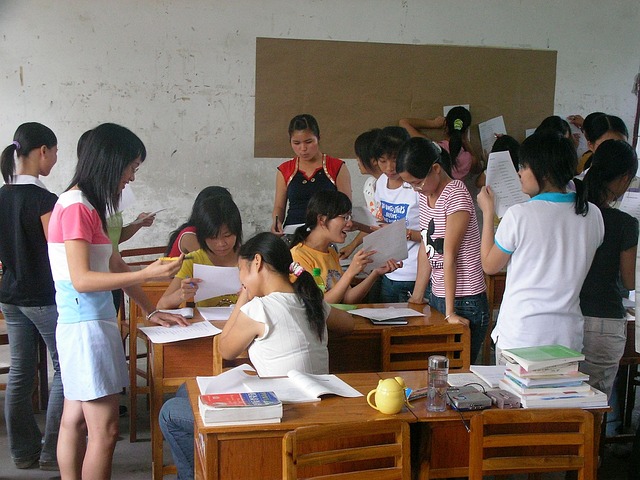
关于”我下周的打算“的英语作文范文4篇,作文题目:My plan for next week。以下是关于我下周的打算的六级英语范文,每篇作文均为万能范文带翻译。
高分英语作文1:My plan for next week
The weekend is coming. I will have a happy weekend on Saturday morning. I will do my homework.
Then, I will go out to play. I will go to the bookstore to read some books. On Sunday morning, I will have dinner outside with my parents.
I will go to the library or do my homework. In the afternoon, I will listen to music. I will go shopping with my mother.
I like shopping very much. This is my happy and busy weekend. You like it This weekend.
中文翻译:
周末就要到了,星期六早上我会有一个快乐的周末,我要做作业,然后,我出去玩我要去书店看一些书,星期天早上我要和我的父母在外面吃晚饭,我要去图书馆或做作业,然后,下午我要听音乐,我要和我妈妈去购物我非常喜欢购物这是我快乐忙碌的周末你喜欢这个周末吗。
英语中表示“我本来打算”的五种形态
1、用was/were going to do sth表示。如:
I was going to leave tomorrow,but I've changed my mind for him.
我本来打算明天动身,但是因为他而改变主意了。
2、用think, hope, plan, mean, expect, intend, suppose等动词的过去完成时表示。如:
I had meant to come, but something happened.
我本来打算来的,但有事就没有来。
I had intended to speak, but time did not permit.
我本来打算发言,但时间不允许。
3、用hope, plan, mean, expect, intend, suppose的过去式后接完成时不定式表示。如:
I expected to have come early, but I missed the early bus.
我本来打算早点来的,但未赶上早班车。
4、用would have done表示。如:
I would have written before, but I have been ill.
我本来打算给你写信的,但我生病了。
以上就是我打算英语的全部内容,)I intend to go to the library in the morning.(我打算早上去图书馆。)解析:plan 和 intend 意为“打算”,第一个例句没有地点状语;第二个例句的 home 为“副词”作“地点状语”;第三个例句的 to the library 为“介词短语”作“地点状语”;in the evening,内容来源于互联网,信息真伪需自行辨别。如有侵权请联系删除。